• Home
  • Images of the Month
  • My Notes
  • About
  • Contact
    • Privacy Policy

iJourneys

John Gough Photography

Have You Seen This ….. Martin Parr in Conversation

by John Gough

This is an interesting video of Martin Parr talking to a group of students. It is a few years old now but worth a view. It is very short.

If you are not familiar with Martin Parr’s work then this is my Pinterest Board

Three things to take away from what he says:

  1. First take a lot of crap photographs, without taking the crap you will never get to the good.
  2. Connect with your subject. The only difference between your photograph and that of someone else is the quality of that connection.
  3. The connection, however, has to be so powerful that the photograph will stand on its own. Does it talk to us without you being in the room?

Here is more of his work. If you want to understand the meaning of connection then look through this book.


Filed Under: Creativity, Journey, Photographer, Photography Tagged With: photographers

The Joy of Bokeh

by John Gough

bokeh

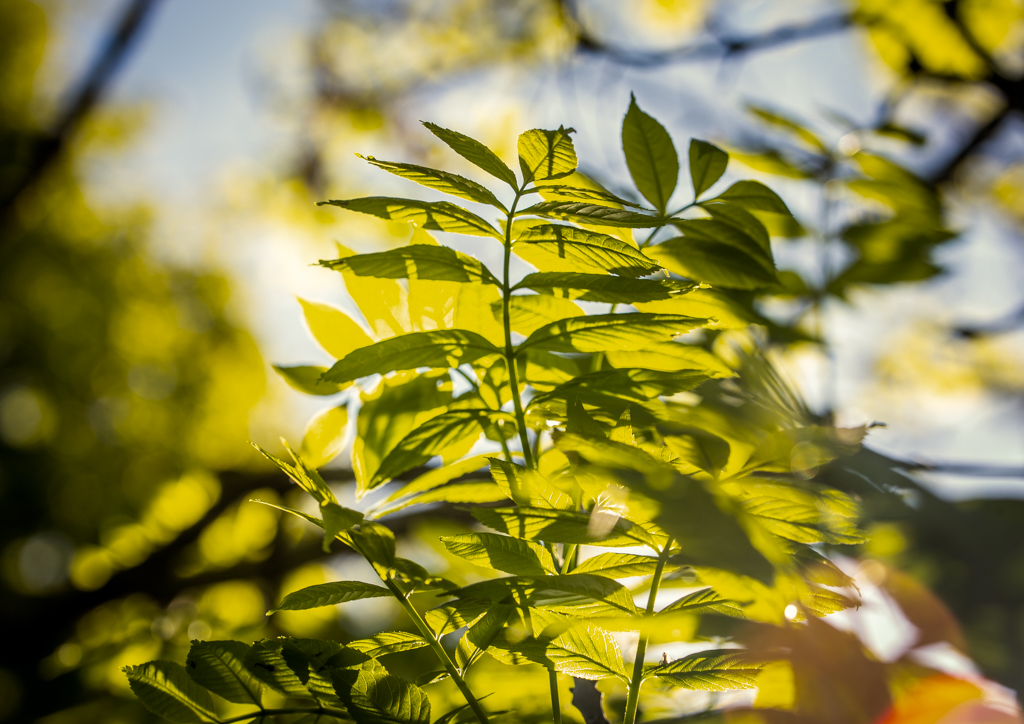
May Morning / John Gough / Canon 6D

At 7 am the morning the sun was up and flashing at a near horizontal angle through the trees. The temperature was a bit fresh, but in my local country park,  the opportunity to photograph wildlife, plants, flowers and trees was everywhere.

Blur were right:

 …morning soup can be avoided if you take a route straight through what is known as Parklife

but for me, it was not just blur but the joy of bokeh.

Filed Under: Creativity, Journey, Photography, Photography Techniques Tagged With: Learning Photography

Before Photography there was Watercolour

by John Gough

We are used to photography documenting our world. Where we are. What we do. How we do it. But what about before photography?

It was then that painters would use watercolour painting to document the world. These paintings, however, were often hidden away in archives, private collections, museums and art galleries. Now for the first time a UK based charity, Watercolour World has made it their mission to digitise watercolour painting and make it available to everyone.

We are creating a free online database of documentary watercolours painted before 1900. For the first time, you can explore these fascinating visual records on a world map, search for topics that are important to you, and compare watercolours from multiple collections in one place. We hope that this project will not simply preserve the watercolour record but revive it, sparking new conversations and revelations. By making history visible to more people, we can deepen our understanding of the world.

We may be used to watercolour landscape painting, but searching through the Watercolour World database it is revealing just how much social history is documented. Have a look, it is well worth a watercolour moment.


Filed Under: Creativity, Journey, Photography Tagged With: Learning Photography

Multiple Exposure

by John Gough

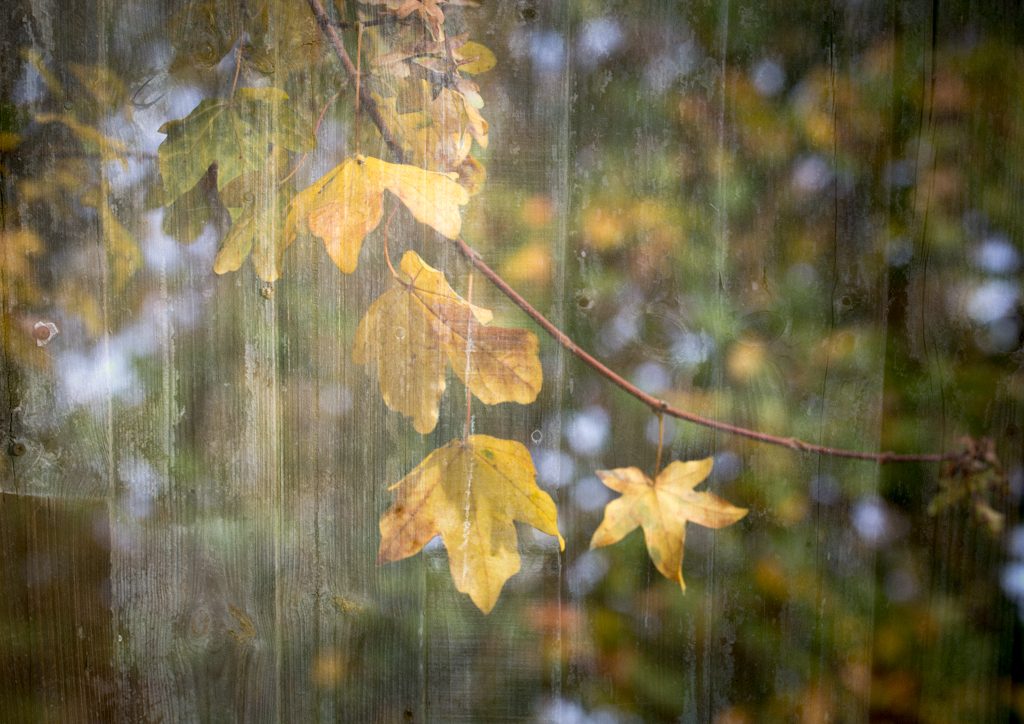
Primitive Multiple Exposure / John Gough /Canon 6D


A week or so ago I attended a Bailey Chinnery workshop in Hastings. The workshop was run by Valda Bailey and Doug Chinnery. It concentrated more on the creative process of photography rather than technical information, and traditional composition etc.

This paragraph from their website sums up their approach:

So it is our goal that these new Creative Growth workshops will have a more intense focus on artistic development. We want to help you open your mind to think with greater freedom, develop your own style, forge your own path. It is our hope that they will facilitate your progress as an artist and you will come away creatively invigorated and inspired.

The workshop I attended was for one day and concentrated on creating abstract images in camera using multiple exposures, and Intentional Camera Movement (ICM). I was interested in using multiple exposures to create background layers in Photoshop. However, I was quickly impressed with the possibilities of creating multiple exposure images as pictures that stood upon their own.

How It Works

I don’t want to go into the technical bits. However, if like me you did not know if your camera even had multiple exposure functionality. Then follow this video:

Multiple exposure photography lays one image on top of another in camera. The camera software averages out the exposure values so that all layers are visible. It requires considerable skill to turn a set of random shots into a meaningful image.

The Creative Possibilities

There are endless possibilities to create shapes, abstracts and impressionist art, as this work by Valda Bailey illustrates.

There is a wonderful ‘in the moment’ quality about photographing a location in this way. Valda Bailey told us that she will spend at least an hour before she picks up her camera. I can understand why. It requires intense concentration to take several images in a sequence that will work together to form a finished photograph.

I have only been experimenting for a few days as you can see from the example at the top of the page. There is more work to do.

Filed Under: Creativity, Journey, Photography Tagged With: Impresionism, Painterly, Techniques

Rule of Thirds

by John Gough


Crossed Lines / John Gough / Sony a6300

In photography why bother following the rules to be really creative?  Why not just throw away the rule book and create beautiful images?

However, breaking up is just so hard to do, and the Rule of Thirds is just so useful that you will never want to dispose of it. It is the first composition rule that most photographers learn, and the one they will use forever.

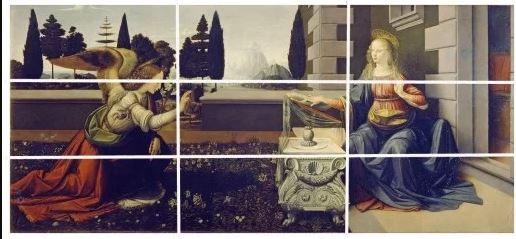
The Rule of Thirds has been used for centuries. By Leonardo da Vinci for example.

Rule of Thirds

Rule of Thirds

Once you aware of the rule you will notice it countless times each day in photography, film and TV. Rarely does the subject of a photograph happily sit slap bang in the centre. Instead, it is usually more pleasing to place it one third in from the left or the right. Similarly with a horizon. In the centre would just split the image in two, a third from the top or bottom makes the image far more interesting.

Why does it work? It just does. The Rule of Thirds is one of the rules of nature.

Rachel across at Photography Talk has created a great guide on how to make it work in your photography. Check it out.


Filed Under: Creativity, Journey, Photography, Photography Techniques Tagged With: Learning Photography, Techniques

Does Persistence beat Creativity to Better Photography

by John Gough

John Gough

Does persistence beat creativity in the journey to be a better photographer. I guess you need a helping of both, but  how do we find our own voice and some originality. These are my notes.

Persistence

This year the number of photographs taken will top over 1.3 trillion. Plus it is growing exponentially. Serious photographers share a phenomenal 350,000 pictures each day on Flickr. How can we ever take pictures that stand out from this enormous crowd.

Trying to be different is not the way according to Finnish-American photographer Arno Minkkinen.  Instead the secret to creativity in photography, lies in understanding the operations of Helsinki’s main bus station!

This article in the Guardian explains it all. 

Creativity

What he is saying is follow a well trodden path, until you feel you can confidently branch out to be yourself.

This sort of makes sense. If you have read Malcolm Gladwell’s book: Outliers, success he maintains comes with commitment. Bill Gates had access to the mainframe computer at the University of Washington, which was just across the street from his high school. He spent many hours there computer programming.  Gladwell has estimated that it requires 10,000 hours spent doing one thing, to build up sufficient expertise to really move on and be successful. He also acknowledges that it also requires a bit of luck.

Arno Minkkinen is kind of saying the same thing, stick in the groove and eventually hard work and persistence leads to creativity.

So what does that mean for us photographers. Well my back of a fag packet calculation puts it at about 50,000 images.

Filed Under: Creativity Tagged With: Visual Art

« Previous Page
Copyright: John Gough 2025