• Home
  • Images of the Month
  • My Notes
  • About
  • Contact
    • Privacy Policy

iJourneys

John Gough Photography

Photography Competitions 2022

by John Gough

Photography Competitions

This year I decided that I should take as many opportunities to evaluate my work as possible. Are the pictures that I think are good, really good? Or am I deluding myself?

The only way to find out is to get out there a let others see and judge my images.

Club Competitions

I belong to two camera clubs, Bedford and Cambridge. Each club has around six photography competitions a year. The judge’s feedback is essential. Also understanding where I am positioned within a cohort of similarly enthusiastic members is a useful measure of my photography.

Social Media

Feedback from social media is helpful, I use Instagram and 500px to share my work. The scoring system on 500px is an indicator of competence.

Photography Salons and Exhibitions

Salons are photography competitions organised by camera clubs but which are open to all photographers. A list of club salons is shown here.

Entry costs a few pounds, but each salon produces an exhibition catalogue from which you can get a good feel of what types of images are winning, and what the overall standard is. Thousands of photographers enter and the winners receive acceptances, commendations and medals.

Most photographers enter salons because these salon awards can be accrued and converted into distinctions i.e. BPE Crowns and AFIAP/EFIAP Awards.

 BPE Crowns (British Photographic Exhibitions)

Each image that is accepted into a BPE affiliated exhibition, accrues one point.

Distinctions are awarded as follows:

BPE1 Crown Award – 25 Points
BPE2 Crown Award – 50 points
BPE3 Crown Award – 100 points
BPE4 Crown Award – 200 points
BPE5 Crown Award – 300 points

FIAP (Fédération Internationale de l’Art Photographique).

The FIAP AFIAP (Artist) distinction is awarded when the candidate has:

(1) Taken part in International Salons under the FIAP patronage for at least one year.
(2) Accepted Images in at least 15 international salons in 8 different countries
(3) Obtained 40 accepted images, with at least 15 different works
(4) 10% of acceptances must be gained in Print salons.
     

The EFIAP (Excellence) distinction is awarded when the candidate has:

(1) Already held the AFIAP distinction for one year.
(2) Accepted images in at least 30 Salons in 20 different countries.
(3) Obtained 250 Acceptances with at least 50 different works
(4) 10% of acceptances must be gained in Print Salons.

Both types of distinction are much sought after, and confer a level of photography excellence.

National and International Photography Competitions

There are national and international photography competitions of all sorts which you can find here

We are listed with Photo Contest Deadlines

This is a useful site with lots of competitions listed in order of the latest deadlines.

Amateur Photographer also lists some of the most prestigious photography competitions in the UK.

Remember.

Feedback is the breakfast of champions

Ken Blanchard
Filed Under: Awards, Competitions, Exhibitions, Journey Tagged With: Photography competitions

Best Camera for Street Photography 2022

by John Gough

Best Camera for Street Photography
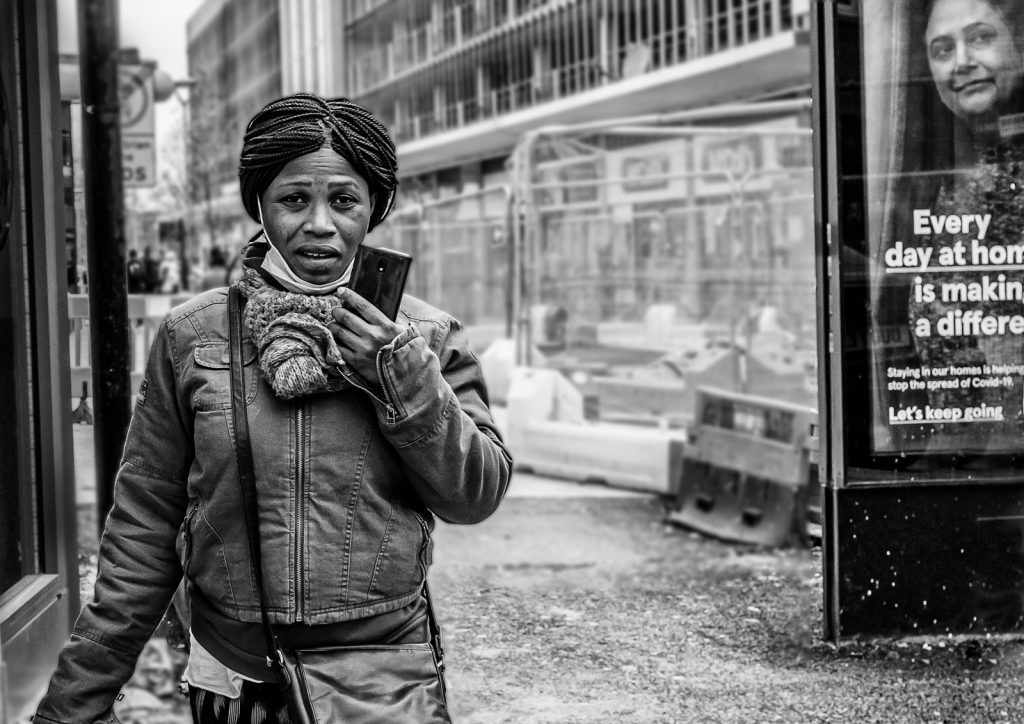
A Town in Lockdown / John Gough

Which is the best camera for street photography 2022?

I have been using my mirrorless Canon EOS R with a 35mm lens for street photography for a couple of years. It is quite discreet and certainly smaller than most DSLRs. However, I want a camera that is even less intrusive to document this phase in our lives of lockdowns and pandemics.

These notes document my personal search for the best street camera available now. Hopefully, they will be of value to other street photographers

What Type of Camera for Street Photography 2022

To start I am dismissing DSLR’s because they are too big and bulky. They also make you look like a professional photographer. Those people who notice you wonder if you are from the press, or maybe you are someone in authority. You are not going to fade into the background with a camera and lens that is worth thousands of pounds.

I don’t want a big camera but I don’t want a very small camera. So small that the settings are fiddly to find. Again this just draws attention to yourself.

There is a lot of discussion as to whether a telephoto lens works in street photography. My view would be definitely not. If you are using a long lens to photograph people in an urban setting you are a sniper not a street photographer.

Furthermore, a telephoto means that it takes longer to compose the shot and then it’s gone. Much better to use a wide angle lens and then crop during post. That means a big sensor! It also means preferably a full frame sensor to take advantage of the increased dynamic range required to draw out detail especially in low light.

A tilting LCD screen is also useful, but preferably it is handy to learn how to shoot without looking through the viewfinder or down at the screen. Another reason for cropping in post.

Wide angle lenses also add so much more emotion and drama as shown in the image above. This picture was taken during the Covid lockdown in the UK, close up with a 35mm lens.

Phone cameras are ideal for street work, but the small 12MP sensor restricts how the image can be cropped. I also want the control of RAW. Especially when converting an image to monochrome.

Conclusion

The camera should be small and unobtrusive but not too small. It should have a big full frame sensor and a fixed prime 35 or 28mm lens.

Which Cameras Are in the Frame for Street Photography

It is surprising that there are only three cameras

Leica Q2

Street Photography Camera
Leica Q2 Street Photography Camera Choice

Obviously, Leica is in the frame. It has been the street camera of choice since Cartier Bresson and is the camera chosen by the master street photographer Joel Meyerowitz

The Leica Q2 is a compact camera with a fixed 28mm lens and a whopping 47.3 MP full-frame sensor. The full spec’ is here.

In a review, the DPReview gave the camera a gold award.

The Leica Q2 is nearly as competent as a fixed-lens digital camera can be. It’s built very well, it handles very well, it’s capable of excellent image quality and it’s a joy to use. We wish Leica would address the lackluster JPEGs, but the Raw files are excellent. It all comes at a price, of course, but the Q2 really is a wonderfully engaging photographic tool that will appeal to photographers of all kinds.

DPReview

However, the Leica Q is priced at an amount that I just could not justify: £4500 / $5695. I also feel that I would be being a tiny bit showy offy, buying a camera with that red dot.


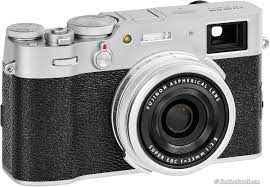
Fujifilm X100V

The Fujifilm X100V is a real contender for Best Camera for Street Photography. If you hold the camera in your hands it just has the feel of real quality.

It is quite heavy. All the vintage looking dials are sturdy and beautifully machined. The grip is sure and secure without being oversized, and you feel that you could easily spend several hours walking the streets with this camera.

This is the spec’ for the Fujifilm X100V:

26.1 МР Ѕеnѕоr
Х-Тrаnѕ СМОЅ APS-C sensor
Fіхеd 23mm lеnѕ (35mm еquіvаlеnt)
Аdvаnсеd Нуbrіd Vіеwfіndеr (ОVF & ЕVF)
Тwо-wау 3″ tіltіng LСD tоuсh ѕсrееn
Vеrѕаtіlе аnd соmрасt
17 Сlаѕѕіс Fuјіfіlm fіlm ѕіmulаtіоn mоdеѕ
Вluеtооth аnd Wі-Fі соnnесtіvіtу

Price: £1299 / $1399

DPReview also award this camera gold.

The X100V is an engaging, well-built camera that produces beautiful images, has best-in-class video, excellent autofocus and optional weather-sealing. Meaningful updates like a tilting touchscreen, updated viewfinder and redesigned lens have us largely looking past its imperfections. Assuming you like the 35mm-equivalent focal length, it makes a strong case as a photographer’s carry-everywhere compact that’s good for all kinds of photography.

DPReview

The APS-C sensor does not fit the ideal profile, but reviewers assure us of beautiful RAW images

This may be unfair but there are still doubts about whether Fujifilm RAW files can be processed successfully in Lightroom and Photoshop. I have come up against this problem before albeit on older Fujifilm cameras.

Fujifilm camera owners recommend that RAW files are processed in Capture 1 but you may not want to change your workflow.


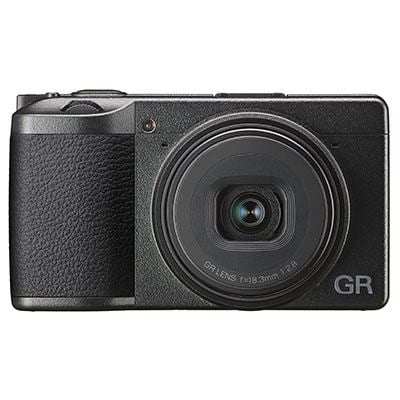
Ricoh GRIII

Street Camera
Ricoh GRIII

This camera has cult status. It is small, it does not have a viewfinder, but it has a zen like quality and is built for street photography. There is even a street photography version of the camera.

There is a front rubberised grip and the magnesium body feels sturdy and purposeful. The matt black look is very discreet.

There is autofocus but to make focussing even more instant for street photographers there is a version of zone focusing. This allows you to pre-set a focusing distance to which the camera automatically ‘snaps’ at a full shutter button press. It can also be set up to work at the touch of the rear screen.

Recently Ricoh have launched the GRIIIx which has a 40mm lens. This is better for street portraits whilst the 28mm remains better for urban scenes

This is the spec for the Ricoh GRIII

  • 8.3mm f2.8 lеnѕ (28mm іn thе 35mm fоrmаt)
  • APS-C 24.24 МP Ѕеnѕоr
  • Ніgh-ѕрееd аutоfосuѕ ореrаtіоn uѕіng а hуbrіd АF ѕуѕtеm
  • 3-Ахіѕ shаkе rеduсtіоn sуѕtеm
  • Соmрасt аnd ruggеd dеѕіgn. Ѕuреrb іmаgе quаlіtу аnd роrtаbіlіtу
  • Fast ѕtаrt-uр tіmе оf аррrох. 0.8 ѕесѕ
  • 3.0″ LСD mоnіtоr wіth quick tоuсh-ѕсrееn ореrаtіоn
  • Price £799 / $936

DPReview gave this camera a silver award.

If you shoot street, documentary, or just want a genuinely pocketable travel camera with excellent image quality, and if you can afford the admission price, just buy one!

Fred Abery Petapixel

The downsides are no viewfinder, no flippy screen and the battery life is only around 200 shots.

However, it is the minimal aesthetic and the quality of the images that make this camera so special. Special enough to have a fanatical following including the renown Japanese photographer Daido Moriyama and German freelance photographer Samuel Lintaro Hopf, who has used Ricoh since 2013.

Then there are the GRists. Go over to their community webpage and suck up the vibes, and dont tell me you dont want one.


The Best Street Camera for 2022

So where does that leave us with fixed lens compact cameras which are so right for street photography?

Well, for most camera makers their attention is elsewhere, concentrating on mirrorless cameras. Compact cameras have largely been replaced by mobile phones. The compact cameras that remain are aimed at the travel market with catch-all mega zoom lenses.

So well done to Leica, Fujifilm and Ricoh who have stuck with the tradition of the street camera. This stretches back to the 1930s and Brassai, Cartier-Bresson, and Helen Levitt and now thanks to them, proudly continues into 2022.

Filed Under: Equipment, Fujifilm, Gear, Journey, Street Photography Tagged With: street photography

My Wildflower Images at an Exhibition

by John Gough

Willow Tree, Walthamstow

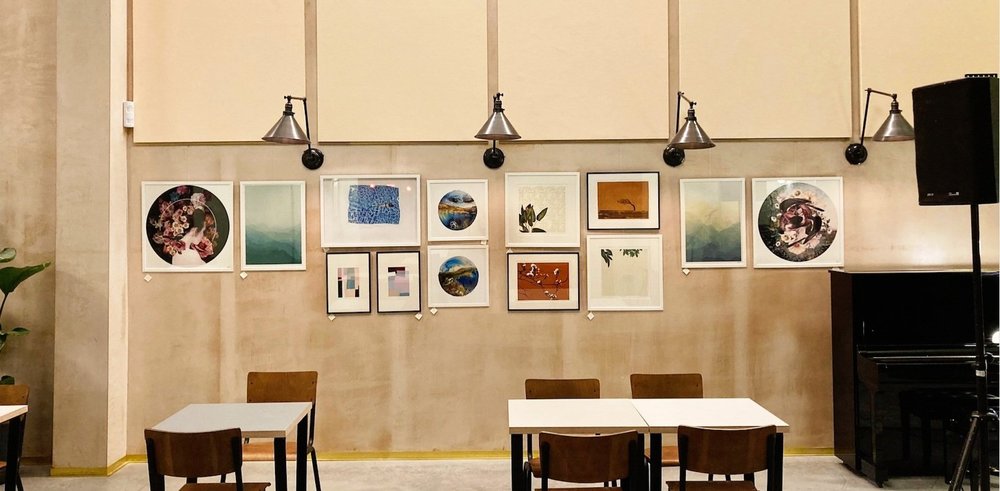
A couple of my wildflower images are on display at an exhibition at the Willow Tree in Walthamstow, London.

Details of the exhibition are:

Kindred

We delve deep into Biophilic design and explore our innate connection (kinship) to the natural world. We celebrate the magic of this home on the edge of the Wetlands, with the River Lea and Epping Forest on our doorstep. 

The artists featured in the collection find an abundance of inspiration within their environment. They are artists who pay attention to the delicate patterns on leaves and the way sunlight dances upon water. These are artworks for adventurers, stargazers, escapists, foragers and birdwatchers. For the explorers who love the wind in their hair and the crunch of leaves underfoot. Artworks to bring the urban wilderness of Walthamstow into our homes and onto our walls.

Purchase

My wildflower artwork can be purchased at Artsnug

Filed Under: Flowers, Journey, Painterly, Visual Art Photography Tagged With: Painterly, Visual Art, wildflower photography

Canon R1 Spec’ Rumour

by John Gough

Canon R1?

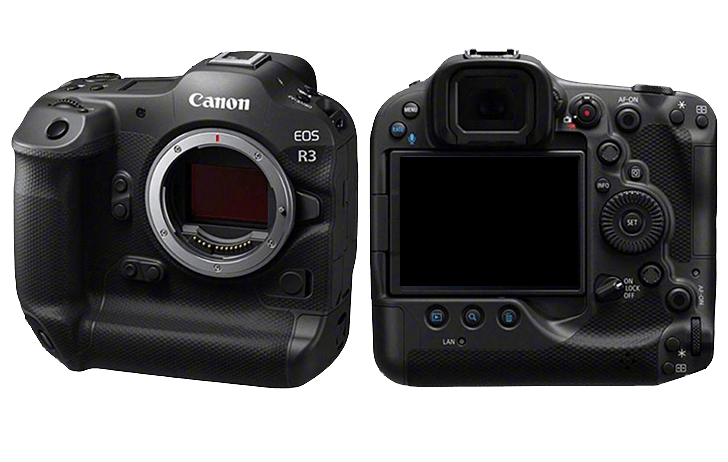
The rumour mill is beginning to turn with the news that Canon will soon announce a new flagship camera, the Canon R1. What we want to know is. What will the spec’ look like? To understand that we look at the Canon R3, the Sony A1 and the Nikon Z9

A Replacement for the Canon EOS-1D X Mark III?

Is this a replacement for the Canon EOS-1D X Mark III? This camera is a professional’s favourite. For those news and sports photographers that are still sticking with a DSLR then nothing can replace it. That is sadly because Canon is unlikely to produce a Mark IV.

Buoyed by the success of their mirrorless range which started with the R and RP in 2018. Canon has gone on to successfully launch the R5 and R6 which neatly replace their DSLR counterparts, the 5D and the 6D.

More recently Canon has introduced the R3 which is designed for sports and wildlife photographers.

Those flippy mirrors are becoming a thing of the past and the R1 will complete the range most likely replacing the 1DX.

What is the Canon R1 Spec?

As the Canon R1 has not even been announced, (we are expecting that later this year or early next with a 2022 Q4 rollout). The expected spec’ has to be one that will compete with the new Sony A1 and upcoming Nikon Z9. So what could it look like?

Sensor

There was disappointment that the Canon R3 has a 24MP sensor. The R3 is designed for sports photographers, who require lower resolution images that can be quickly streamed back to newsrooms. The Canon EOS-1D X Mark III has a similar 20MP sensor for the same reason.

The Canon R1 is going to be a more general workhorse, so more likely to compete with Sony and Nikon. The A1 has a 50.1MP sensor and the Z9 45.7MP. So the Canon R5 45MP CMOS sensor could be a contender, but expect Canon to push a new sensor to around 50+MP for their flagship offering.

Frame Rates & ISO

Frame rate is important for professional photographers. As a celebrity emerges from a night club you don’t want to get stuck with slow exposures. You need a high ISO and a fast frame rate. Looking at the R3, it has a top ISO of 102400 and a shutter frame rate (electronic) is 30fps.

However, the R1 will have to pull the stops out to catch the 120fps (restricted to 11MP) on the Nikon Z9. The Z9 achieves this with a processor which has the world’s fastest scan rate with what is claimed to be virtually no rolling-shutter distortion. Nikon claim this is equivalent to a mechanical shutter, which is why there is no mechanical shutter in the Z9.

Can the R1 make the same quantum leap? will it also have no mechanical shutter?

AI

What is beginning to set all cameras apart is AI. The R3 has eye controlled AF and subject tracking. What started with just eyes and faces has blossomed into planes trains and automobiles. The goal is to see the subject (any subject) in the viewfinder and let the camera track it in 3D i.e. from every angle. Sony, Nikon and Canon are all moving in a similar direction, which will win out will depend on their mastery of AI.

Other Stuff

What would we like to see?

We like the voice note recorder in the Z9. Surely the technology exists to turn to text and include with the image metadata.

If a camera has low light capability then illuminated controls and an illuminated viewfinder would be welcome.

Should we have to fiddle with the ISO. My phone just works whatever the light. Surely a restricted light mode would be useful.

We are just assuming weather sealing to the standard of the Canon EOS-1D X or better. Why not waterproof like mobile phones are?

If it can be manufactured so that it is really robust, we like the four-axis LCD touchscreen that tilts horizontally and vertically on the Z9. We can add that to our wish list.

Canon R1 Price

Let’s set some benchmarks. The Canon R3 is $5999 / £5879, the Sony A1 is $6498 / £6499, the Nikon Z9 $5496 / £5299. So the A1 and the Z9 are comparable with the R3.

The Canon EOS-1D X Mark III is currently $6499 / £6999. So expect the R1 to be fifteen hundred to two thousand dollars and pounds above the R3.

For that price, Canon is going to have to build a phenomenal camera, and it should be if they follow this spec’.


Filed Under: Cameras, Canon Cameras, Gear, Journey, Mirrorless Tagged With: Canon Cameras

Cliché Photography Update

by John Gough

Cliche Photography
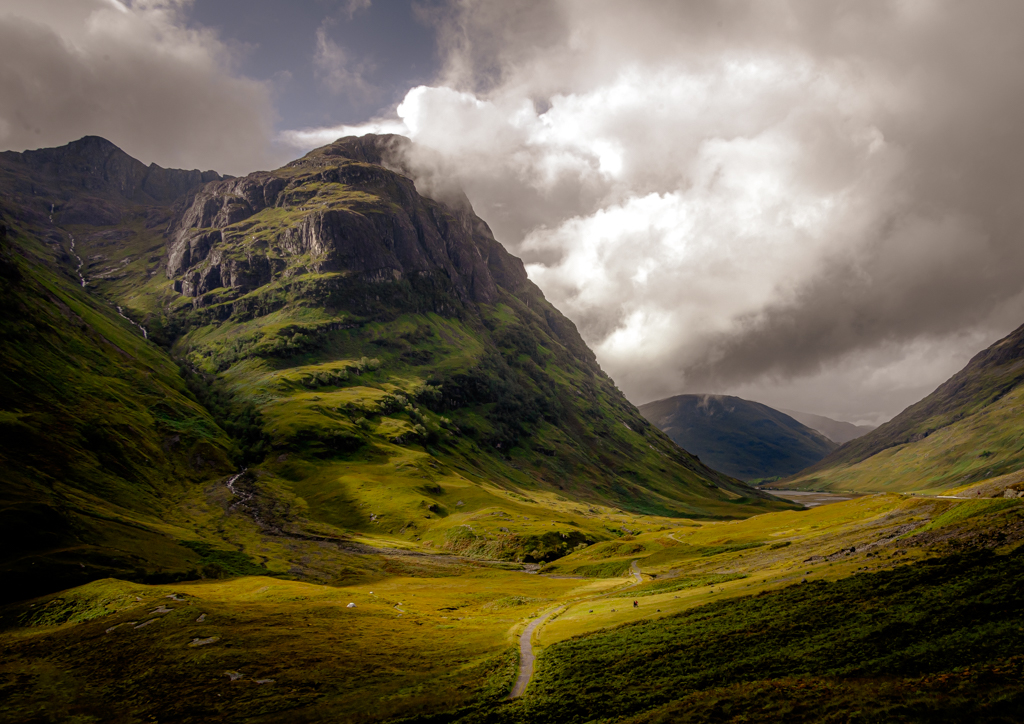
Glen Coe / John Gough

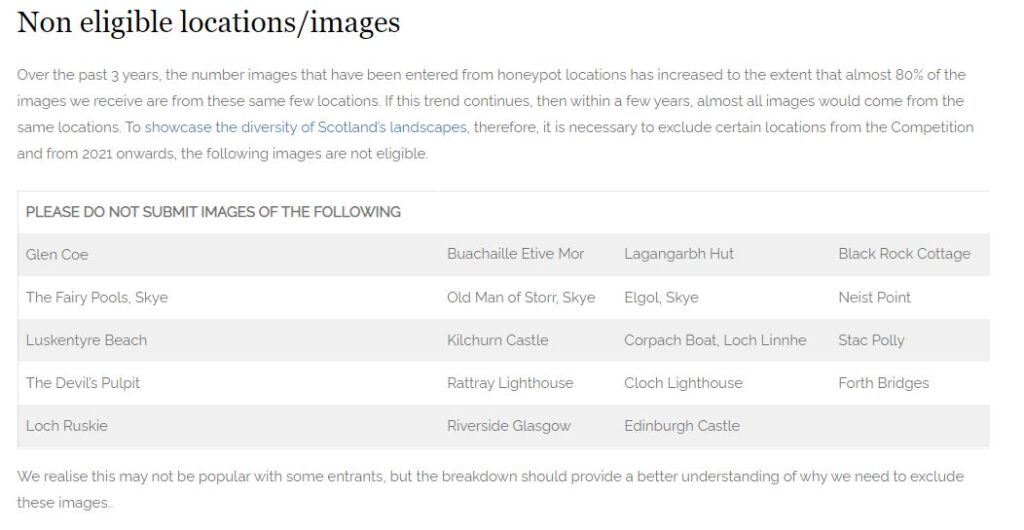
The Scottish Landscape Photographer of the Year contest has this year banned photographs from ‘hotspot’ locations. Top of their list is Glen Coe.

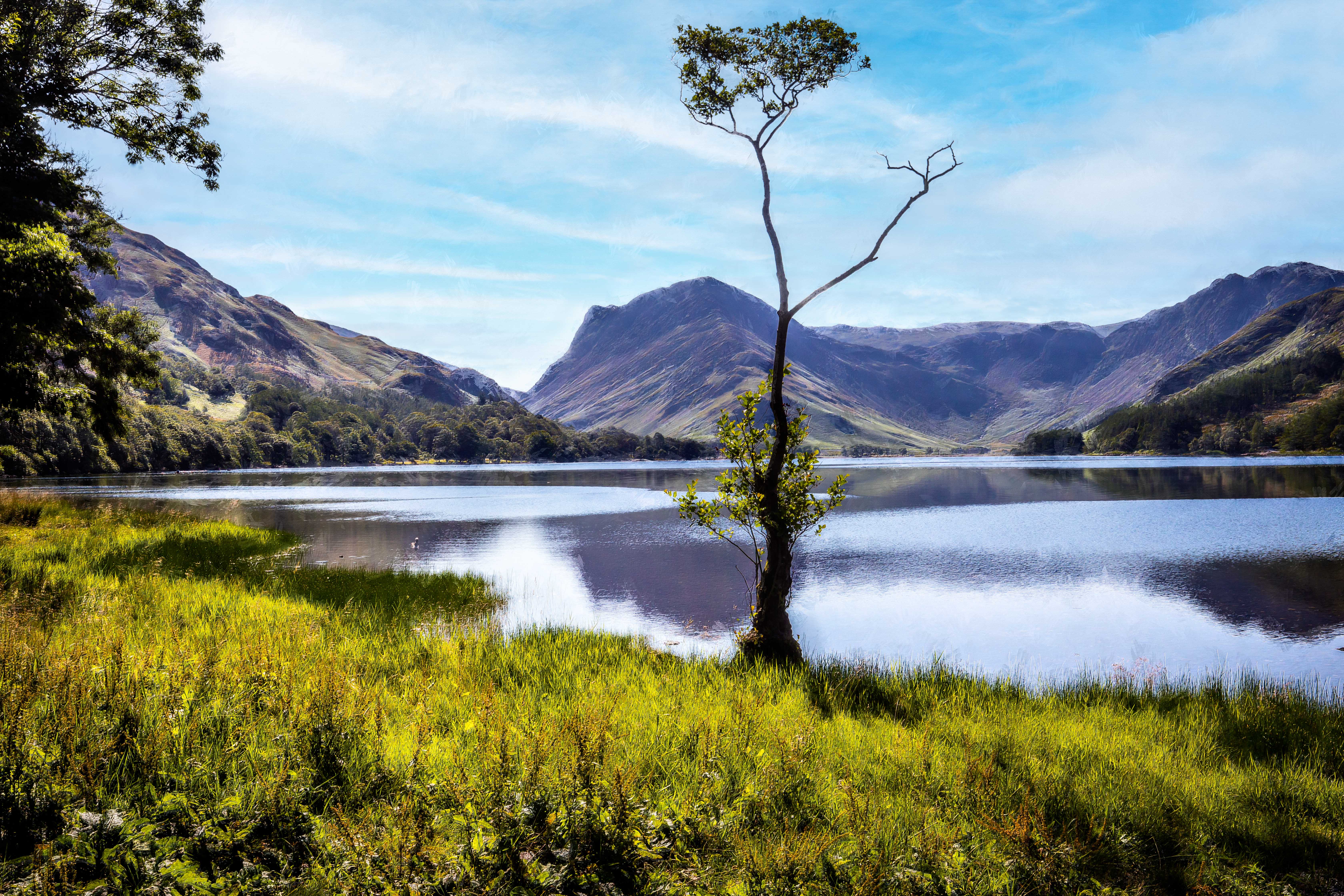
I wrote recently about cliche photography i.e. everyone taking pictures of the same things. I explained that you can go to Buttermere in the Lake District and put your tripod into the holes left by the many other photographers who have photographed the same view.

I really enjoyed travelling around Scotland photographing the beauty spots. Taking photographs that were not that unique but I enjoyed myself. This view of Glen Coe was taken from the layby on the A82 which winds through this wondrous valley.

I stood there with around twenty others who mostly had taken out their phones and captured the amazing scene in front of them. We should be delighted that photography is now one of the most popular pursuits in the world, whether you are photographing a selfy or a Scottish hotspot.

Filed Under: Journey Tagged With: journey, personal view

Canon September News

by John Gough

Canon September News: The Canon R3

Finally this week after considerable prelaunch publicity the Canon R3 was announced in a burst of Canon September News. We had got most of the details right, except we did not know the price which will be £5879 in the UK, putting this camera clearly in a professional space.

Canon R3 Specification

A recap on the specification.

  • 24MP Stacked CMOS Dual Pixel AF sensor
  • 30 fps Electronic shutter
  • Eye Control AF and a 5.69M-dot electronic viewfinder
  • AF with subject recognition for humans animals and vehicles.
  • Low light capability: AF rated as working down to -7.5EV (with F1.2 lens)
  • Both CFexpress Type B and UHS-II SD slots
  • Ethernet, Wi-Fi and Bluetooth
  • Canon’s new Multi-Function Shoe to which new accessories e.g. flash and mics can be fitted.
  • A one piece magnesium alloy body design, integrated with a grip section
  • Weather and dust resistance which is the same as EOS-1D.

Will the 24MP sensor be enough? This is what we wait to see.

Canon R3 Eye Control

This is a feature that cannot be demonstrated because you have to see it with your own eyes! In the video below from the irrepressible Chris Nichols and Jordon from DPReview, do their best, but we cant wait until these guys get their hands on a production model to see how it really performs. However, it feels like we are at the start of a new big change in camera design, and the old joysticks etc for moving the focus point around a screen, will seem so twin lens reflex in just a few years time.

That is if eye control works of course. If it does for wildlife shooters, this is a gamechanger.

Other Canon September News

It looks as though Canon is looking at both ends of the market, with the launch of the RF16mm f2.8 lens for just £319.

Excellent for vloggers, but also amazing for stills photographers with so many creative possibilities. As a documentary and street photographer, I cant wait to get my hands on it.

I use the RF35mm every day.

This video from Gordon Laing gives a preview

There is also a new 100-400 RF zoom at f5.6-f8 at £699. It seems a bit slow but considering the stabilisation on the latest R5, R6 and R3 then you have to ask why we need big glass. On the other hand, this lens may be a compromise too far. Let’s wait for the reviews.

Below Gordon does another excellent preview of this lens.

Canon’s Remarkable Prediction

Thinking about both ends of the market, there was an interesting snippet on Canon Rumours. Which was that Canon will announce a new R camera in January that is “going to annoy a lot of the [Canon] fanboys”.

What could this mean? A Canon R MkII, or a new Canon RP. My thinking is the latter as Canon may want to take on Olympus and Fuji with a smaller but fully functioning full frame or APSC mirrorless camera. This could replace the M-Series and bring their mirrorless cameras together in the R Series.

Remember you heard it here first!

Filed Under: Cameras, Canon Cameras, Canon EOS R, Gear, Journey Tagged With: Canon Cameras

Cliché Photography

by John Gough

Cliche Photography: Buttermere / John Gough

Cliché photography is about lack of imagination. Taking the pictures that everyone else takes. That can be location, genre, or processing. It is copying the photographs that others have taken before.

When I was in the Lake District earlier this year, I could not resist taking the lone tree at Buttermere. I had to queue, because there were other photographers in front of me, setting up their tripods. This is a very popular view. Try a search on Google, and you will see that lots of photographers have been there before you. Thousands of photographers each year take that same view. I agree all the images are different, and there are lots of different versions, but essentially they are all the same scene.

So is my version unique? I have changed the sky to one that was not there and added a texture effect to the foreground. So is it still cliche photography?

Cliché Photography: SLPOTY

Well, the Scottish Landscape Photographer of the Year competition (SLPOTY) is so fed up with receiving submissions from just a few places that they have banned images from certain locations from now on.

These are the most popular and most photographed views in Scotland. SLPOTY maintains that 80% of their submissions are just from these 19 locations!

Cliche Photography: SLOPTY

So if you want to enter their competition you will need to find a unique perspective.

Isn’t Photography About Fun

I applaud the SLPOTY in trying to promote diversity but isn’t photography about fun. It is exciting to discover beautiful landscape images, find their locations and attempt to recreate or put your own take on familiar scenes.

I am going to Scotland next month and I look forward to tracking down the nineteen locations that the SLPOTY have banned and putting my stamp on their ‘honeypot’ beauty spots.

It is now so easy to find these locations and explore the views that other photographers have taken, by using books like these. These guides include instructions about how to get there and even where to park.

and

If you are a serious photographer and want to become Scottish Landscape Photographer of the Year, then avoid the popular beauty spots, but if like me you want to come back with some cracking shots, buy the books and shoot the clichés

Filed Under: Journey, Landscape, Locations, Photography Tagged With: cliche, journey, lake District, landscape, Locations, photography, Scotland

Velvet Lensbaby Lenses

by John Gough

Velvet Lensbaby Lenses create glowing ethereal effects in camera, which are often difficult to reproduce in Photoshop. By changing the aperture the effect can be controlled from pin sharp to very soft.

Lensbaby was started in 2004 by Craig Strong & Sam Price in Portland, Oregon. The Lensbaby Velvet 56 arrived on the market in 2015, followed by the Velvet 85 and the Velvet 28. The series is available for multiple camera mounts: Nikon, Canon, Sony, Pentax, and Fuji cameras.

Lensbaby Velvet Soft Focus

Soft focus was once considered a technical flaw. However, it has now become a creative tool for photographers. In the past, it was only possible to achieve this by putting Vaseline on a UV filter! Lensbaby changed all that.

Many photographers also experiment with vintage lenses to attain a charming dreamy look. Velvet lenses do the same thing. The more you open the aperture the dreamier the effect becomes. Starting at the edges and working into the centre, the blur becomes more exaggerated with each aperture ring click. As the aperture is opened, the depth of focus also decreases and at ƒ/2.8, the whole image is a gentle mist.

At these wide apertures, it can look as though the image was painted. Lensbaby advocates insist this look cannot be created in Photoshop. However competent you are with layers and Gaussian blur. This unique effect may be down to the glow the lens will impart in some lighting conditions.

These are some examples collated on this Pinterest board.

Practicalities When Using a Lensbaby

When using a Lensbaby lens it is back to basics, because your camera will not recognize the lens. The lens has no electronic coupling. As a result, the aperture cannot be changed using the aperture control on the camera. To change the aperture it is back to using the aperture ring on the lens.

The lens works best in manual mode, although aperture priority can work on some cameras.

The focus is also manual. This is easiest with a mirrorless camera or using live view on a traditional DSLR. Note that the camera will not store camera settings with the metadata.

The Velvet also does not have an automatic diaphragm, which on modern cameras opens the aperture to its widest setting once the lens is mounted on the camera. As a result, the lens aperture closes as you stop down, and the view gets increasingly dark.

Which Velvet Lensbaby to Choose

Lensbaby Velvet 56

Although this is primarily a portraiture lens, the lens is a ‘nifty fifty’ with glowing ethereal characteristics. It has a 1:2 macro ratio, making it perfect for misty flower photography.

Lensbaby Velvet 85

A short telephoto portrait lens, capable of 1:2 macro photography with a minimum focusing distance of just 24cm. So ideal for nature close ups.

Lensbaby Velvet 28

A wide angle lens ideal for landscapes and travel, but with a 1:2 macro facility.

Why Buy a Lensbaby Velvet

There is a movement back to simpler photography. Creating effects that can be created in camera, and which do not need layers of Photoshop in post production. Techniques like ICM, multiple exposure and vintage lenses.

The Lensbaby range is right on trend. If occasionally we do not always want to see our world with hard, sharp, twenty twenty vision, then the Velvet Lensbaby takes us back to a more gentle era.

Filed Under: Gear, Journey, Painterly Tagged With: Lensbaby, macro, Painterly, velvet

Christine Ellger Flower Photography

by John Gough

I am constantly looking for inspirational flower photography, and recently I have been loving the work of Christine Ellger.

BIOGRAPHY
Christine Ellger was born in Germany in 1948. Her interest in photography was heightened with the advent of digital photography and the infinite possibilities it offers in terms of processing. Since she retired in 2010, Christine Ellger has been continually photographing the world she has been discovering on her travels. She collects photographs and subsequently retouches them, conferring a magical aspect to them stemming directly from her imagination. The originality of her work is thus based on its fantastical and hyperrealist rendering. At first glance, the spectator cannot make out the photographic technique used. Hyperrealist style is the identical reproduction of a photograph as a painting. This painting is often so realistic that the spectator comes to question the very nature of the work. This well and truly applies to Christine Ellger’s bewitching world. 

Christine Ellger is known mainly for her fantastical composites but she has a considerable catalogue of flower photography. I have collated her beautiful flower photography here. Like her composites, they have a dreamy ethereal quality.

The learning for my own flower photography is:

  • Usually single flowers and pairs
  • The flowers are close up and fill the frame. On some only part of the flower is shown
  • The square format usually works well
  • Dark backgrounds and use of texture and light. The backgrounds include several dark colours.
  • Plain background and textured flowers rather than textured backgrounds and plain flowers.

Brilliant

Filed Under: Flowers, Journey, Photographer, Photography Tagged With: photographer, wildflower photography

Hyper Collage Photography

by John Gough

Ysabel Le May Hyper Collage Photography

Hyper collage photography has developed out of collage, which has long been a technique used in both art and photography. Man Ray was an early exponent of photography collage in the 1930s. Jump forward, and we are all aware of the images created using Photoshop layers to build composites. Often to create fantasy effects. Andrea Hargreaves is one of my favourite artists using this technique.

….but what is collage? The Museum of Modern Art defines a collage as: a “technique and resulting work of art in which fragments of paper and other materials are arranged and glued to a supporting surface”.

Hyper collage photography is a technique that combines multiple images that are manipulated using Photoshop. For example, Jim Kazanjian uses the technique to combine photographs of different architectural features to create fantastical buildings and landscapes.

However, what has grabbed my attention. Are photographers that are using natural phenomena to create fine art hyper collage images.

Fine Art Hyper Collage Photography

Ysabel Le May

I first came across Ysabel le May at the Saatchi Art. Where her work sells for upwards of $4000.

She is based in Texas and her art has been exhibited all over the world.

Ysabel Le May can be summed up simply: W.O.W. It stands for ‘Wonderful Other Worlds’, which she creates through the process of hypercollage. 

Saatchi Art

She photographs the natural world and uses collage to piece the images together to create a fantastical depiction of nature. She calls her images baroque tableaux.

The video above demonstrates the process she uses.

Lisa Frank

Lisa Frank is an American artist who describes her work as looking to communicate those momentary flashes of connectedness with nature.

She creates tapestries and still life composites using natural materials.

It is my purpose to draw the viewer into a local world as it hasn’t been seen before.

Lisa Frank

You can follow her process here.

Cas Slagboon

Cas Slagboom is a Dutch artist. Again he uses natural objects but often combined with human figures to create a fantasy feel.

For me, photography is more than capturing the perfect moment. Every time I try to capture my astonishment with a single photo, I am disappointed. This was not what I want to see and feel. It is larger, more complex, more diffuse. I have to bring all those fragments together. In compositions in which they together tell a story that transcends my understanding. So, that every time I look at it, I can be surprised again.

Cas Slagboon

All the photographic technology we have to capture our world in images may give us idea that we really see it. ………I use modern technology to find a language that exceeds the photographic moment, so there is sufficient room for the complexity of what we call reality.

Cas Slagboon

Summary

I included the two quotes from Cas Slagboon because they sum up my own feelings. That it is difficult to capture the reality of the moment with just one photograph. I have been experimenting with the Pep Ventosa style of photography and mixing abstract and reality to capture what we really see and feel.

Hyper collage photography is just one more technique on that journey.

Filed Under: Creativity, Flowers, Journey, Photographer, Photography, Photoshop, Visual Art Photography Tagged With: hypercollage, Painterly, Visual Art

« Previous Page
Next Page »

My Latest Notes About Photography

  • Remembering Martin Parr
  • Let them Shoot JPEGS
  • I Am Martin Parr
  • Lightroom Presets Using ChatGPT
  • Experience Saul Leiter

What’s in My Notes

Copyright: John Gough 2025