• Home
  • Images of the Month
  • My Notes
  • About
  • Contact
    • Privacy Policy

iJourneys

John Gough Photography

Sony a6400 Review

by John Gough

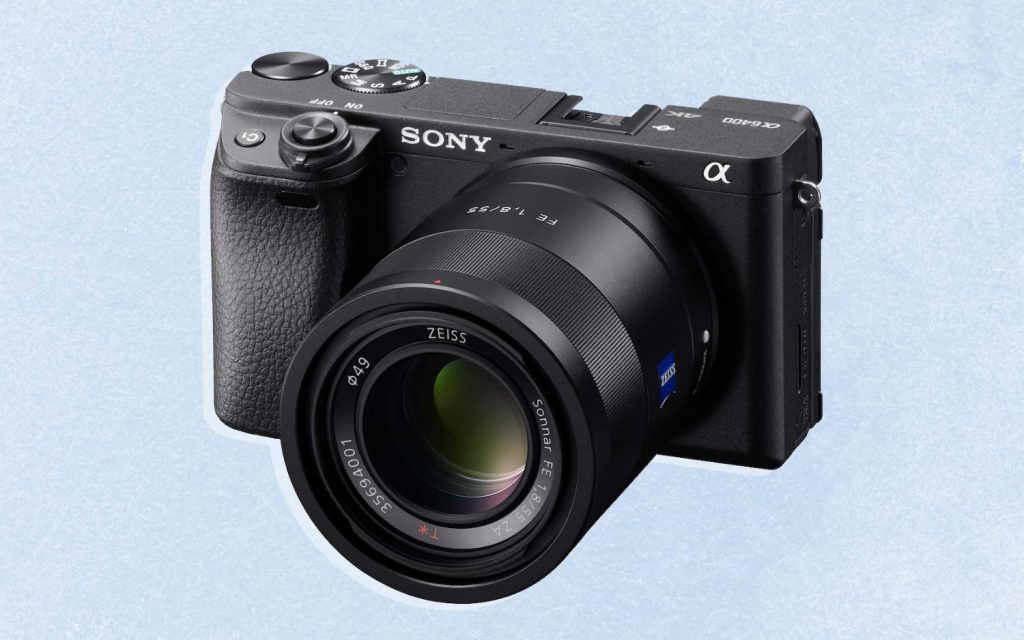
Sony a6400


Were Sony pushed or did they jump? We were expecting the launch of the A7000 which Sony claim would be an APS-C version of their top of the range, full frame flagship the A9. Instead, they have given us the Sony a6400, which they describe as an entry level camera to replace the popular Sony a6300.

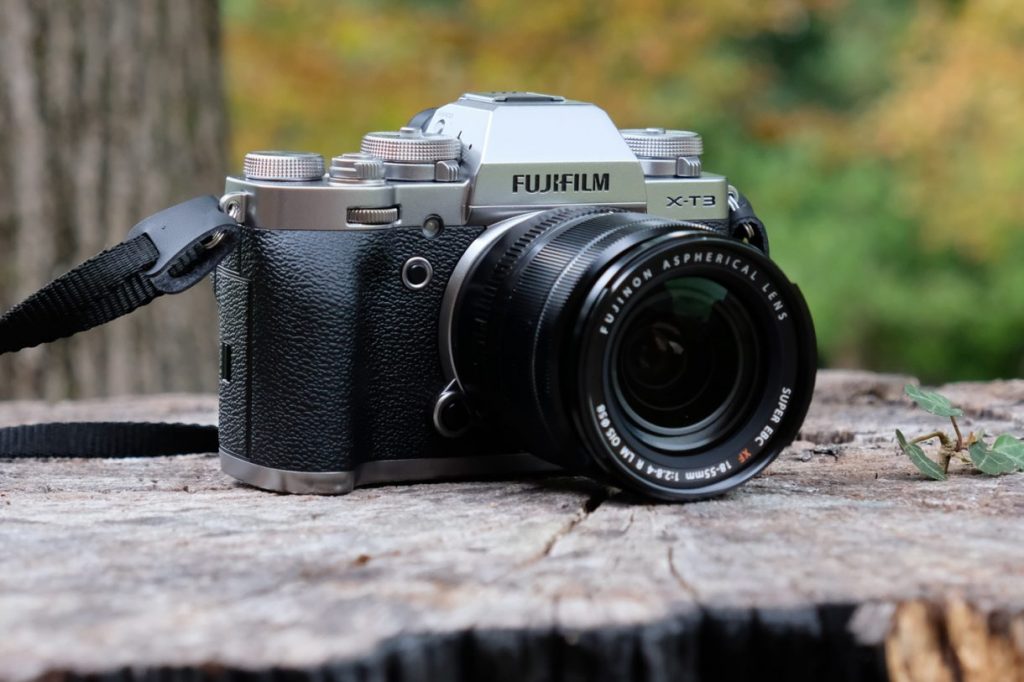
No doubt, Sony saw the launch of the excellent Fujifilm X-T3 and thought they just had to respond.

Specification

It is no wonder then, that the a6400 is a camera with an impressive specification. I must at this point declare an interest. I love the a6300. Most of the images on this site have been taken with it, but is the Sony a6400 a worthy replacement?

The Sony a6400 has a 24.0MP APS-C CMOS sensor coupled with the latest BIONZ X processor. The new processor is fast. Capable of shooting bursts at 11 fps with continuous AF. Furthermore, the camera’s buffer will now accommodate up to ninety nine JPEGs, and forty six RAW files in one go. Small buffers have for a long time, been the bugbear of small mirrorless cameras.

There is 4k video recording, but with no in body stabilization it could be a bumpy ride.

The autofocus system is all new. Featuring 425 phase detection points with ‘Real Time Tracking’ of moving subjects, and ‘Real Time Eye AF’, which will amazingly work with animals as well as humans. Does that mean all types of animal? Unfortunately, we will have to wait for a firmware upgrade later this year, before this feature is implemented and can be tested on tree frogs.

Most cameras these days claim the world’s fastest AF lock on. The a6400 is no exception. At 0.02 seconds, it is faster than the blink of an eye.

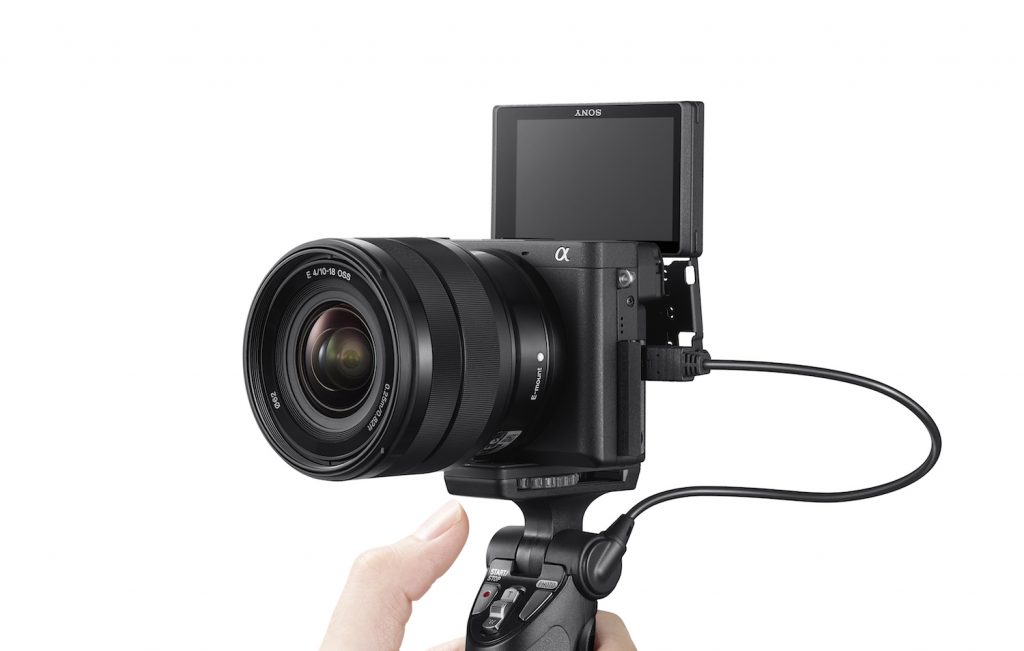
There is a neat new tilt screen which flips over the top of the camera so that vloggers and selfie fanatics can frame themselves. A touch of the screen moves the focus point.

Entry Level?

This is a £1000 camera, described as entry level by Sony. If so then Sony are redefining what an entry level camera is in two ways.

Firstly, there are a ton of advanced features on this camera, so it is not entry level as we know it. What in reality Sony are doing, is setting up this camera as the base level for their new series of APS-C cameras.

Secondly, £1000 is a lot of money for your first step up from selfies on your smart phone. However, we should expect that as the new range of APS-C cameras are introduced and existing a6xxx cameras are withdrawn, the price of this camera will likely fall, creating an entry point to their new range of cameras.

What I say is bring it on.

Where I Buy

I buy my equipment from Wex because of their exceptional customer service. I once returned a camera after 30 days, and the next day they called to return my money to my account. Their prices are always competitive and they offer good prices on the trade in of your used gear
Filed Under: Gear, Journey, Sony, Sony a6300 Tagged With: Sony Cameras

Canon EOS R Ten Positive Points

by John Gough

Canon EOS R


The Canon EOS R is Canon’s first foray into the world of full frame mirrorless cameras. It was launched to stem the flow of sales to the amazing Sony 7aIII.

There were months of speculation in the photography press about whether and when Canon would join the mirrorless revolution and launch a FF mirrorless camera. So it was more a relief than a celebration when the Canon EOS R was introduced. At last Canon (and Nikon) were now embracing mirrorless, and there was much conjecture about how the traditional DSLR with its old fashioned mirror mechanism would be consigned to history.

The reviews from the press and vloggers have been mixed, which makes a decision of whether to buy all the more difficult. If you are researching which camera to buy next, and you have read all the Canon EOS R reviews. Here are 10 positive pointers that you may have missed and which may just sway your decision.

1 Ken Rockwell Endorsement

Ken Rockwell who is not often given to hyperbole was particularly positive about Canon’s move to mirrorless, and he is a big advocate for the Canon EOS R. His advocacy alone is a reason to buy. This is probably the best review of the camera you will ever read or ever need. Furthermore, he does a comparison vs the Sony A7III and the Nikon Z7 / Z6. I thought the Sony was bound to win, but the Canon wins outright.

2 Adapters

The Canon EOS R comes with three adapters to attach legacy lenses to the new camera. The feedback from users is all positive. Amazingly the adapters will accommodate every EF lens since 1987!  This means that for Canon owners that have lenses tucked away in cupboards and drawers, these can be dug out and used again and again.

3 New Fv Mode

There is no longer a mode dial on the Canon EOS R, but press the mode button and turn the outer dial you will notice a new innovation the Fv exposure mode. This is a flexible exposure setting which is like Program, but enables the adjustment of Aperture, Shutter Speed, Exposure Compensation and ISO. As one is changed the others update automatically. This is entirely appropriate for a mirrorless camera, because as the changes that are made the result can be viewed through the electronic viewfinder (EVF)

4 Electronic Viewfinder.

An impressive spec’ a 3.69M-dot OLED electronic viewfinder, is especially effective when used with the high speed display option. However, a downside of the EVF is that the brightness control  needs changing as the camera is moved from inside to outside, but note that this can be set up with a custom button.

5 Multiple Exposures

The EOS R bastardises the functionality of the Canon 6D2 and the Canon 5D MKIV. It borrows features from each. One feature taken directly from the 5D is full function multiple exposures in camera. The unique feature however with the EOS R is to be able to view the effect of one exposure on another in the viewfinder. One of the chief exponents of this creative technique is Doug Chinnery who explains how.

6 Shutter

Dust particles on the sensor are a nuisance to clone out in post.  A small point but the shutter on the EOS R closes when switched off, so the sensor is not as prone to dust particles. Unlike say the Sony A7III which stays open.

7 C-RAW Format

Latest Digic 8 processor allows for C-RAW compressed Raw format. This means better compression and smaller file sizes. This is technical so read up here.

8 Lens Extender

I am picking up that teleconverters / extenders which increase the focal length of a lens, autofocus more effectively than a traditional DSLR cameras. For wildlife and aircraft photographers this is a big deal. Again this is technical so read up here.

9 Battery Life

Batteries are generally improving on mirrorless cameras to take the load that the EVF which gobbles up resources. Ken Rockwell claims over 1000 shots are possible in ECO mode. Battery life is CIPA-rated at 370 shots per charge (450 using Power Saving mode).

10 On Sensor Autofocus

One of the impressive features on the Canon EOS R is low light performance. The Dual Pixel AF system has a whopping 5655 selectable AF points and it can focus at light levels as low as -6EV. To put that into context this is a night time scene with no moon or street lights but just some starlight i.e. equivalent to a 2 minute exposure, at f1.4, ISO 3200.

Summary

The reviews of the Canon EOS R have tended to focus on what the camera does not have e.g. dual card slot, IBIS, video capability etc. There have been plenty of negative comments, my own included, but sometimes in the words of the late great Jiminy Cricket.

“You’ve got to accentuate the positive
Eliminate the negative
And latch on to the affirmative
Don’t mess with Mr In-Between”

Where I Buy

I buy my equipment from Wex because of their exceptional customer service. I once returned a camera after 30 days, and the next day they called to return my money to my account. Their prices are always competitive and they offer good prices on the trade in of your used gear


Filed Under: Cameras, Canon Cameras, Gear, Journey, Mirrorless Tagged With: Canon Cameras

Sony Big Disappointment: Sony a6400

by John Gough


Sony a6400

We were geared up to hear about the Sony a7000, a new APS-C camera that was billed as being a mini A9. However, journalists and vloggers were wooed away to be told instead about the Sony a6400 which is an mid level camera set to replace the a6300 in the Sony APS-C range. With rumours abounding for months now, that Sony was about to launch a ball busting APS-C camera, the news was a big disappointment for Sony Alpha fans looking for a camera to compete against the game changing Fujifilm X-T3.

The Sony a6400 Launch

The launch was an strange affair. It looked as though it had been hastily cobbled together. The sets looked dodgy, and the major speakers had obviously not had time to learn their scripts. The videos which accompanied the presentation looked generic and dated. The videos did not even feature the new camera. My guess is that following a long time without any mirrorless camera product launches, and faced with strong competition from Fujifilm, Canon and Nikon. Sony was under intense pressure just to say something. So the a6400 was introduced and a new firmware package for Sony full frame mirrorless cameras was also bundled into the mix. Very odd.

Just a note that the new firmware update looks awesome, with auto eye tracking for humans and animals. This feature is included in the a6400

Sony a6400 Summary

Principally aimed at vloggers, the camera has a new flip up screen which can rotate 180 degrees so that vloggers can frame themselves in the shot.

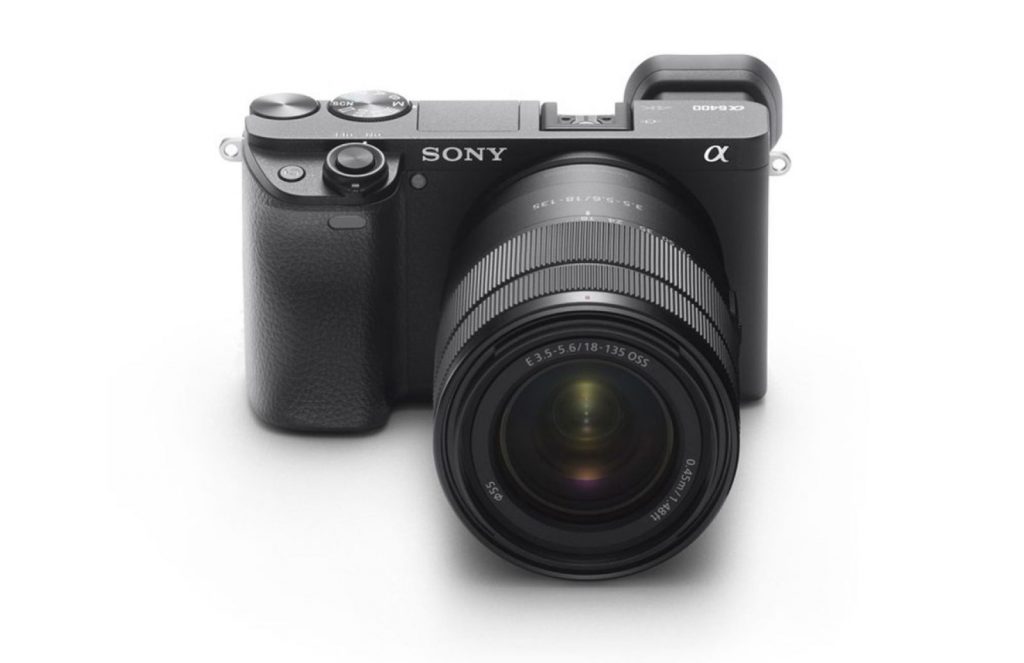
Sony a6400

For photographers, the most exciting addition is the new tracking capability. The AF is claimed to be the fastest in any camera with no fewer than 425 phase detection AF points and 425 contrast AF points covering 84% of the frame. This is paired with a new generation BIONZ X image processing engine and together they enable the camera to acquire focus in as little as 0.02 seconds.

The new eye tracking technology can detect and process eye data in real time. This mode utilises Sony’s latest algorithm which includes AI based object recognition. This processes colour, subject distance (depth), pattern (brightness) as spatial information to ensure focusing accuracy.

Sony have also tried to move away from needing multiple settings for autofocus. This one tracking AF mode will cover a range of bases. When linked with its 11fps capability this looks ideal for street photography where there is no time (well only 0.02 seconds) to get the shot right.

Sony a7000

This camera is still on the cards, probably a February launch. It is building up to be quite a camera. Set above the a6xxx range it will no doubt have the new tracking technology. Add to that IBIS and weather sealing. I cant wait.

Where I Buy

I buy my equipment from Wex because of their exceptional customer service. I once returned a camera after 30 days, and the next day they called to return my money to my account. Their prices are always competitive and they offer good prices on the trade in of your used gear


Filed Under: Cameras, Gear, Journey, Sony, Street Photography Tagged With: Sony Cameras

Fujifilm X-T3 Real View

by John Gough

Fujifilm X-T3

The Fujifilm X-T3 has been well received, it is high spec and comes with a strong pedigree stretching back to the X-T1. If you are researching which camera to buy next. How do you decide? All cameras today take amazing images. So if that is a given, what else should drive the decision?  We look at the good the bad and the ugly of the Fujifilm X-T3. We ask and we answer, ‘Would I buy one’.

Fujifilm X-T3: The Ugly

Let’s be frank Fujifilm cameras are Marmite. Some love the retro old world styling with lots of knobs and knurly bits, whilst others prefer a set of shambolic menu options you get on a Sony for example.  The Fuji is however small, so fiddling with those small dials with big hands can be awkward.

It comes down to aesthetics, but what is under that retro styling is some red hot technology so let us look at the Good, which includes that impressive specification.

Fujifilm X-T3: The Good

Spec

  • New back-illuminated 26.1MP X-Trans CMOS 4 APS-C sensor
  • New X-Processor 4 image processing engine
  • AF performance is one and half times faster with substantially enhanced performance in face/eye detection AF thanks to 2.16M phase detection pixels arrayed at entire frame.
  • ISO160-12800 (extendable from ISO 80 to 51200)
  • 30 fps continuous shooting in 1.25x crop ‘Sports Finder’ mode (electronic shutter)
  • 20 fps continuous shooting at full resolution with AF (electronic shutter); 11 fps mechanical shutter (without grip)
  • 3.69m dot high resolution EVF
  • 3.0″ 1.04m dot 3-directional tilting touchscreen LCD monitor
  • Tough magnesium-alloy body is sealed against dust and moisture
  • Dual SD card slots
  • Video: 4K/60P 4:2:0 10bit internal SD card recording
  • Video: Full HD 1080/120p slow motion recording

Reviews

This camera has had some excellent reviews. DPReview gave it 88% and a gold award. Amateur Photographer gave 5 stars. Digital Camera World also gave 5 stars. Really it does not get much better than that.

Support

Don’t forget the amazing support and events available through Fujiholics. Almost worth buying the camera just to join.

Price

Much has been made of the launch of Nikon and Canon full frame mirrorless cameras. These cameras are both north of £2200 compared to £1299 for the Fuji. Does FF still have the same kudos, with the advent of new APS-C sensors?  How much more do you get with an FF sensor vs this sensor? We will have to wait for the DXO comparisons. However, if you want a heavy expensive camera with very expensive glass go Canon or Nikon.

Firmware Updates

Fujifilm says firmware updates for the X-T3, are imminent, with plenty of new features and functionality to boot. This is a plus feature for Fujifilm who have been always quick to update and upgrade camera software.

Fujifilm X-T3: The Bad

Stabilisation

There is no IBIS, despite the introduction of IBIS on the Fujifilm X-H1 which has 5.5 stops of 5 axis in body image stabilisation. It is an unfortunate ommission because IBIS is almost standard these days.

The Elephant in the Room

Fujifilm RAW files in the past have tended to develop wormy artefacts in images processed in Lightroom. This was caused by the X-Trans sensor. Some reviewers claim that this still persists in the X-T3 here for example. The workaround is to use a processing software like Capture One.

The Good the Bad and the Ugly

It is always hard to ignore an elephant in the room, but we have scoured the reviews and the forums and there is very little evidence from users of waxy worms in their photographs.

The reviews are hot, the price is even hotter and you get a spec that beats the rest. So on paper, it is a winner. Would I buy one?

Fujifilm X-T3: Would I Buy One?

  • I have an established post processing workflow which includes Lightroom. I would not like to have to incorporate Capture One just to process Fujifilm RAW files.
  • With my street photography, it is often necessary to grab a shot in an instant. When I do so my photographs can be ruined by camera shake. My next camera must have IBIS

So would I buy one? No.


Where I Buy

I buy my equipment from Wex because of their exceptional customer service. I once returned a camera after 30 days, and the next day they called to return my money to my account. Their prices are always competitive and they offer good prices on the trade in of your used gear


Filed Under: Gear, Journey Tagged With: Fuji Cameras

Sony a6700 Rumours

by John Gough

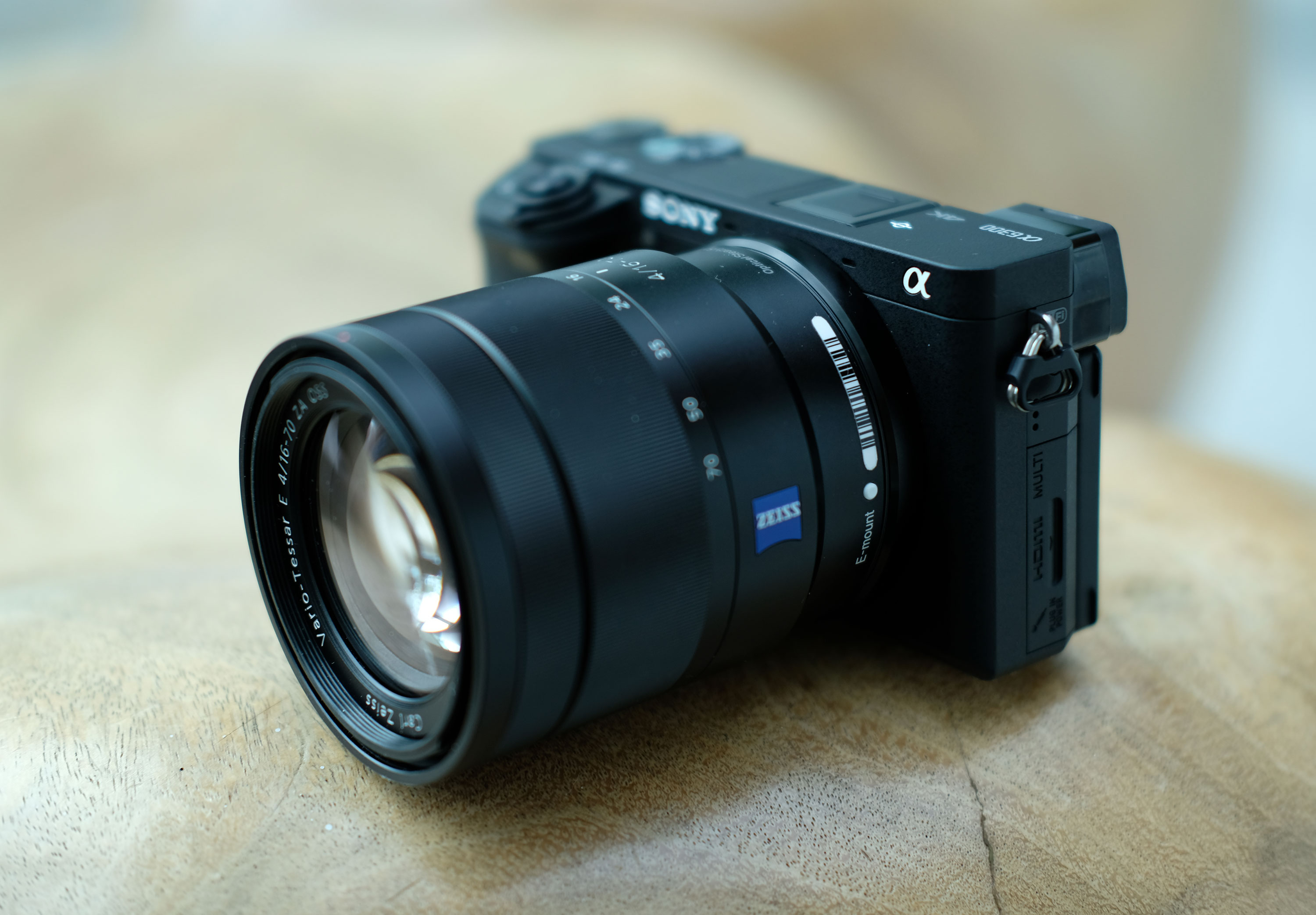
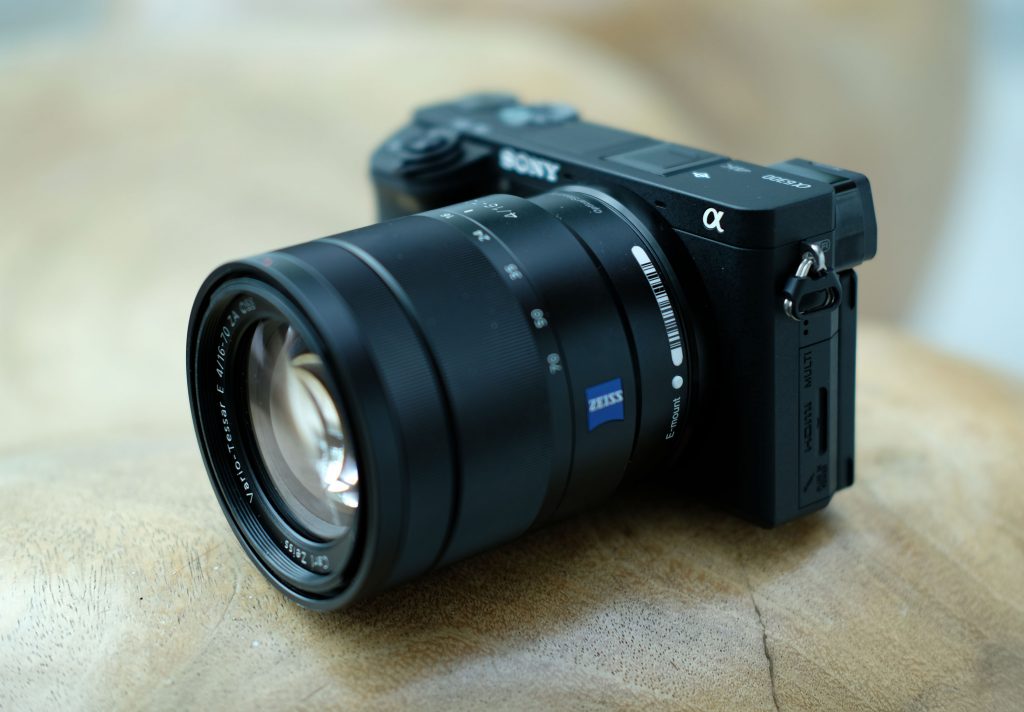
Sony a6300 with Sony Vario-Tessar T E 16-70mm F4 ZA OSS

We are waiting for the launch of the a6700 or a7000

A sliver of information has emerged on SonyAddict that the new Sony A6700, may be priced to be competitive and may be larger than the existing Sony a6500.

Sony Product Strategy

Sony is committed to dominating every sector of the camera market and this includes the APS-C segment. The success of the Fujifilm X-T3 as both a stills camera and competent video camera is a challenge that Sony will not let pass. We know that they are working on an advanced APS-C camera, possibly the Sony a7000 that may have some revolutionary new features such as a global shutter. However, in the meantime, Sony may have decided that the a6700 can act as an effective stopgap. Sony is also not averse to launching one camera closely followed by its’ successor. The a6300 and a6500 were launched only months apart.

Sony a6700 Sensor

It is rumoured that the a6700 will have a 26MP IMX571 sensor which is the same as Sony supply to Fujifilm for the Fujifilm X-T3. In reviews of the X-T3, this has been well received. DPReview rave about the image quality.

Sony a6700 Size

The new camera is rumoured to be bigger than the existing a6500. The a6700 dimensions are 124 x 85 x 57mm which is a massive 40% larger than the 6500, and closer to the dimensions of the Fujifilm X-T3 at  132.5 x 92.8 x 58.8mm. Why? Bigger battery, we are promised quick charging so this could be a feature. Better IBIS we are promised improved IBIS. Or more resilience against overheating when shooting long 4K video. This was an issue with the 6300.

Sony 6700 Release Date

Sony Q2 results were good with their imaging business growing by c’1%. Growth for camera manufacturers is rare at the moment. So Sony is not being pushed financially to launch new cameras. For example, the ball busting A7iii is still in short supply due to unprecedented demand in some territories. However, my guess is that they will not want the X-T3 to get too far ahead before Spring next year.


Where I Buy

I buy my equipment from Wex because I have genuinely found that they offer great advice and customer service.


Filed Under: Gear, Journey, Sony Tagged With: Sony Cameras

Sony a7000 Delay Due to Fujifilm X-T3

by John Gough

Fujifilm X-T3

Just what is Sony up to with the launch of the Sony a7000? Normally so assured the company seems to have got jittery about the launch of their new replacement for the Sony a6500. First, we heard speculation that the launch may be at Photokina earlier this month, then the launch date was confidently predicted to be yesterday the 16th October. But nothing. Sony is being very tight lipped.

Sony is used to being years ahead with their cameras. The launch of their full frame mirrorless Sony a7III threw the industry into despair and forced both Canon and Nikon to respond with $2000  full frame mirrorless cameras of their own.

The forums and rumour mills have been bubbling with the prospect of the Sony a7000 with a spec which would blow existing APS-C cameras out of the water. Sony is used to having an upper hand. It is their ethos to be ahead with stunning technology. Sony has the advantage of being able to leverage the technology which is being developed across the corporation and bringing it to bear in new products. So perhaps the launch of the Fujifilm X-T3 has taken them by surprise.

The Launch of the Fujifilm X-T3

In many ways, the Fujifilm XT-3 delivers the functionality and specification we expected on the Sony a7000. As DPReview commented, ‘this model is way more than an upgrade; rather, it’s a dramatic step forward’.

Specifically:

  • 26.1MP Sensor
  • 425-point hybrid AF system
  • Three-axis tilting touchscreen
  • 4K/60P 4:2:0 10bit internal SD card recording
  • Full HD 1080/120p slow motion recording
  • 30 fps continuous shooting with a 1.25x crop (electronic shutter)
  • 20 fps continuous shooting at full resolution
  • 3.69-million-dot high resolution EVF
  • Dual UHS-II SD card slots
  • £1349 price tag

Sony will have to pull out some stops to beat this mindblowing spec. Furthermore, the rumours are that Sony is moving away from the Sony a6500 iconic design, back to a central prism type viewfinder layout, no at all dissimilar to the Fujifilm XT-3!

So it may be that Sony is in a dilemma, do they launch a me too Fujifilm equivalent, or do they get back to the drawing board. Rumours are that the Sony a7000 may now be delayed to 2019.

Where I Buy

I buy my equipment from Wex because I have genuinely found that they offer great advice and customer service.

Filed Under: Cameras, Gear, Journey, Mirrorless, Sony Tagged With: Sony Cameras

Sony a7000 Rumours

by John Gough

Sony a6300 with Sony Vario-Tessar T E 16-70mm F4 ZA OSS

Sony a7000. Will it look the same as the a6000 series?

We don’t know what it is going to be called, there are rumours that it could be a Sony a7000. However, speculation is growing that after Photokina, which ends in Cologne on the 29th September, and before the PhotoPlus EXPO in late October 2018. Sony will announce an APS-C camera that is a ‘mini A9’. So a small light weight high spec’ camera with world class technology.

The Mirrorless Market

The camera world has been focussed on full frame cameras, with the launch of the Canon EOS R and the Nikon Z (pronounced like pee). However, they are following the lead of Sony with the launch of the groundbreaking Sony a7III. It is interesting that the narrative around mirrorless cameras has been changing. We have commented before that Canon and Nikon have launched big mirrorless cameras, and the ethos of small, light and portable had been lost. Instead, the excuse for big mirrorless cameras is that they are the platform for future advances in technology. Faster burst rates, closer integration with video, information packed viewfinders and subject tracking AF. What if Sony could pack all that technology into a small package Sony a7000?

So congratulations to Fujifilm in keeping the same form factor with the launch of XT-3, a small camera bursting with technology, which can be partnered with small high quality lenses.

Whereas we once saw the APS-C market declining as consumers moved to full frame, perhaps Sony see an opportunity with the Sony a7000,  to create sophisticated cameras that will appeal to those that are more used to their phone, rather than a camera the size of a handbag.

A ‘mini a9’

By creating a flagship ‘mini a9’ with an APS-C sensor, which sat on top of the a6000 series. Sony would have created a unique range. Nikon and Canon would have nothing that could compete. So where do they go? Leave the market to Fujifilm, Olympus and Sony? Or as they have done recently, rush out their own models?

Sony is out for domination. In the mirrorless space, it looks as though they are going for a pincer movement

Where I Buy

I buy my equipment from Wex because I have genuinely found that they offer great advice and customer service.


Filed Under: Equipment, Gear, Journey, Mirrorless, Sony Tagged With: Sony Cameras

Is the Canon EOS R a Rip Off?

by John Gough

Canon EOS R

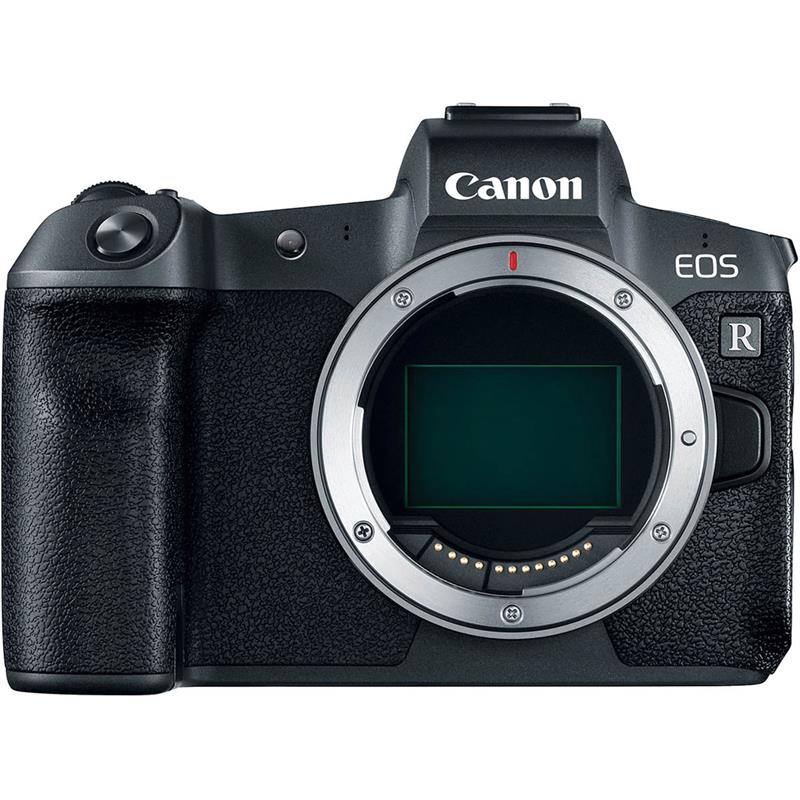
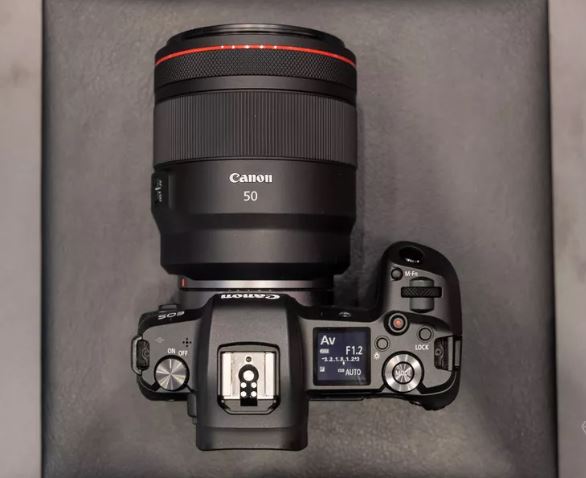
We were not invited to a luxury hotel in Hawaii to see the launch presentation of the new full frame mirrorless camera from Canon, the Canon EOS R. However, what struck me from the limited specs and pictures we have seen, is just how big the new camera and the new RF lenses seem to be.

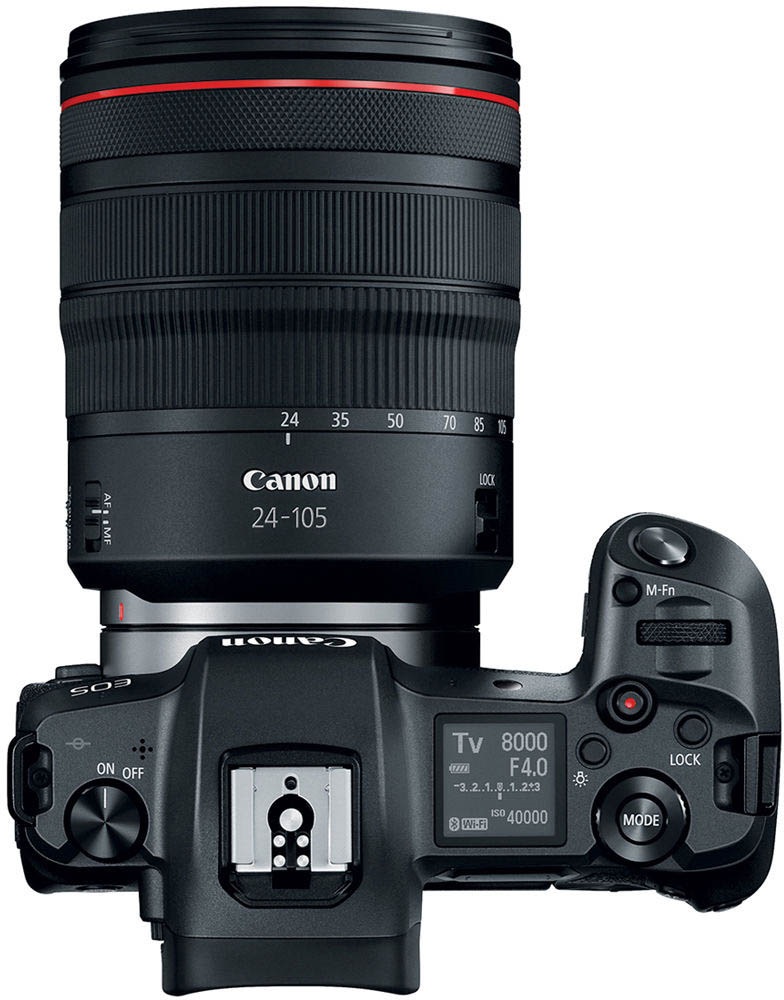
This is the Canon EOS R with the 50mm RF lens.

Canon EOS R


The Canon EOS R is Big

There were only ever two real benefits of mirrorless over DSLR’s. That is size and weight. Taking out the mirror mechanism enabled the camera to lose weight and become less bulky. An example is the Sony a6500, which is just one-third of the bulk of the equivalent APS-C sensor, Canon 7D Mark 2. It also weighs around half as much as the Canon.

Canon is not alone, both Sony and Nikon full frame mirrorless cameras have become bigger, as these manufacturers grapple with including bigger batteries to illuminate their power hungry electronic viewfinders.

Canon, however, seems to have lost the mirrorless ethos. Compared with their own similar spec DSLR, the Canon 6D Mark II. The mirrorless Canon EOS R, is 94% of the size and 87% of the weight. The question we have to ask ourselves is. Is this a mirrorless camera or is this a DSLR without a mirror?

Incidentally, this beefy shell has been achieved without a quantum leap in battery performance. Which is 330 shots, so spare batteries or a grip are essential.

The Canon RF lenses are Huge.

Moving on to lenses, the Canon RF lenses which go with the Canon EOS R, are massive. Admittedly the RF 24-105mm f4L is similar in size and weight to the DSLR equivalent the EF 24-105mm f4L. However, the RF 50mm f1.2L is over 70% larger than the equivalent EF lens and 60% heavier. This new lens costs £2349 and does not even have stabilisation and neither does the camera!

The new fat RF 28-70 f2L weighs in at a gigantic 3lbs.  That’s a lot to carry around with you on your next mountain trip. Plus there is no stabilisation so add a tripod.

Conclusion

This big camera and huge lenses change the mirrorless paradigm. No longer are these cameras fun, lightweight, and portable. They have returned to being Canon and sensible, like wearing a tie with shiny shoes.

Where I Buy

I buy my equipment from Wex because I have genuinely found that they offer great advice and customer service.


Filed Under: Canon Cameras, Gear, Journey, Mirrorless Tagged With: Canon Cameras

Canon Full Frame Mirrorless Rumours

by John Gough

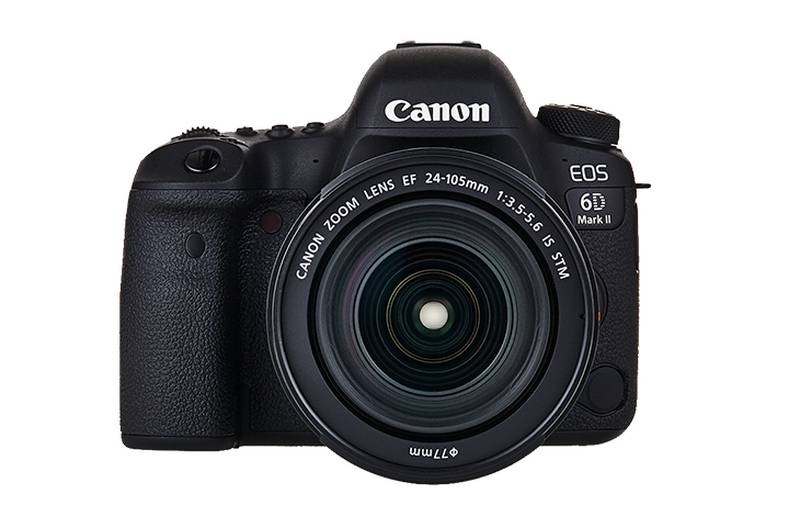
Canon EOS 6D Mark II

Thanks to Canon Rumours for this information but it seems that Canon is poised to launch a Canon full frame mirrorless camera anytime soon. We wrote recently that Sony was so far ahead in terms mirrorless technology and glass, that the likes of Nikon and Canon could never catch up. However, the latest rumours from Canon may just change all that.

Nikon Z Series

Since then Nikon has announced the full frame Nikon Z6 and Z7. Please note that Nikon is insisting that Nikon is pronounced like nitrogen rather than knickers, and Z should rhyme with pee. These cameras have not been reviewed yet, but have had mixed first impressions following carefully controlled hands-on sessions for journos and bloggers. To get a feel. This is the review from Tony & Chelsea.

The big hold that Canon and Nikon have on the market is lenses. Photographers have scrimped and saved to put together a portfolio of glassware and are reluctant to trade it in and start again. Nikon have only three lenses for the Z series. There is a promise of an adaptor and a road map for new Z lenses into the 2020’s. This is a further drawback for the Nikon Z which rhymes with tea.

Canon Full Frame Mirrorless

We thought this is the way the market would play out. With a ‘me too’ launched by the big players that did not quite match Sony. However, there are rumours that the new Canon full frame mirrorless camera will have a mount that will accommodate EF lenses. This would indeed be a game changer.

It is rumoured the Canon full frame mirrorless is called the Canon EOS R, with new design RF lenses. The rumoured specifications are similar to the Sony a7III, and are listed by Canon Watch.

Launching a camera that can use legacy lenses would be a significant achievement. It would seem that the only way that Canon may have got around the flange distance problem. That is the difference between DSLR EF lenses and the new RF lenses. Might be to allow these lenses to protrude into the body of the camera. Who knows?

It is a tantalising prospect that Canon may have solved the lens dilemma without needing to resort to a separate adaptor like Nikon. If that is the case, then it is game on between Canon and Sony in the full frame mirrorless battle to come.

Filed Under: Canon Cameras, Gear, Journey, Mirrorless Tagged With: Canon Cameras

Sony a7000 Rumours

by John Gough


Sony a6300 with Sony Vario-Tessar T E 16-70mm F4 ZA OSS

Sony a6300

We thought it would be the a6700 that would replace the Sony a6500, but the latest rumours are that a new model, the Sony a7000 will be released. This camera will be a small APS-C camera, like the a6500, but not necessarily a successor to it.

As we said when we talked about the rumoured a6700. Sony has to do things with this camera over and above just extending the existing features of the a6500.

Why the Sony a7000 is Important

Firstly, we know that Sony is going for dominance of the mirrorless market. This means chipping away at the territory that is very well defended by Fujifilm. We know that there is an XT-3 on the horizon, which will supplant the massively popular Fujifilm X-T2. This will be the camera that the a7000 will have to go up against and win.

Secondly, the Sony gamechanger in the full frame arena, the Sony a7III has been selling furiously because of its amazing price point of £2000 / $2000. If the a7000 has a similar spec but is not a lot cheaper. Then consumers may as well just spend a bit more and trade up to a7III. Sony will want a price point at around £1600 to match the Fujifilm X-T3, which will have to come in under the X-H1 which currently retails for £1700.

So the Sony a7000 has to be special.

Suspected Features of the Sony a7000

We should not put it past Sony to introduce a gamechanger into the APS-C space, as it has done with the A7III in the full frame market. Already this new camera is being rumoured to be a mini A9, the Sony full frame flagship.

  • The size is likely to increase to accommodate the new Z type battery. This could mean just a bigger grip, but would likely look odd if the remaining dimensions remain the same.
  • Sony has been doing a lot of work on improving rolling shutters so that images do not appear elongated when shot at insanely high fps. We know that Sony has patents for a global shutter. The difference is explained here
  • Talking of fps, 20 fps is rumoured vs 10 fps on the A7III and 20fps on the A9.
  • Fully articulating screen, a must for v-bloggers.
  • Improved IBIS. Better than 5 stops?
  • Updated sensor. Possibly a stacked CMOS sensor similar to the A9, which would mean that it could read focus and exposure data at an amazing 60 times per second, to enable faultless tracking and autofocus.
  • 4K 60p video as is rumoured on the X-T3

Concern Over Rumoured Sony a7000

A niggling concern is that Sony may be trying to create a premium APS-C camera like the Sony Cyber-shot DSC-RX1R MKII compact camera. In the compact camera market where the average price is around £500, this camera costs £3000. A great camera, but just too pricey.

What would delight us a6xxx shooters would be if the a7000 heralded a new genesis, which like the a6000 went on to create a line of great cameras.

Filed Under: Gear, Journey, Mirrorless, Sony Tagged With: Sony Cameras

« Previous Page
Next Page »
Copyright: John Gough 2025